
Top Crypto Casinos 2025: The Complete Guide to Bitcoin Gambling Platforms
A crypto casino is the purest evolution of online gambling, operating entirely on blockchain technology for unmatched transparency and speed. You deposit digital assets like Bitcoin or Ethereum directly from your wallet, and every bet and payout executes through smart contracts — no banks, no delays, no middlemen. This grants you instant, verifiable wins, provably fair games, and total financial privacy, putting absolute control back in your hands. Play with crypto and experience a casino that answers only to you.
What Exactly Is a Crypto Casino and How Does It Differ From a Traditional Online Casino?
A crypto casino is an online gambling platform that exclusively or primarily uses cryptocurrencies like Bitcoin, Ethereum, or stablecoins for deposits, wagers, and withdrawals. The core difference from a traditional online casino lies in the payment infrastructure: instead of fiat currencies processed through banks or card networks, transactions occur directly on a blockchain, which typically eliminates processing delays and reduces transaction fees. This also means you rarely need to provide full KYC documents upfront, as crypto wallets serve as pseudonymous identifiers, whereas traditional casinos mandate identity verification to comply with fiat banking rules. Additionally, many crypto casinos integrate provably fair algorithms, allowing you to verify each game’s outcome through cryptographic hashes, a transparency layer absent in conventional platforms that rely on proprietary random number generators. Your winnings in a crypto casino are paid out in the same digital asset you deposited, avoiding fiat conversion fees, while traditional sites often lock you into currency-specific balances. The entire account balance in a crypto casino is tied to your private key or platform wallet, making custody and personal security your responsibility rather than the casino’s back-end ledger. Yet, this self-custody aspect means that if you lose your wallet access or the platform suffers a hack, there is no chargeback or reversal mechanism to recover funds.
Understanding the Core Mechanics: Blockchain Transactions and Smart Contracts in Gambling
In a crypto casino, blockchain transactions replace the bankroll database, with each deposit and withdrawal recorded as an on-chain transfer that requires network confirmations before credits appear. Smart contracts govern game outcomes by executing predetermined logic—such as shuffling a deck or spinning a reel—directly on the blockchain, eliminating the server-side RNG (random number generator) that traditional casinos use. Once a wager is signed, the contract evaluates the result and autonomously sends payouts to your wallet address without human intervention. Provably fair systems rely on hashed seeds and public nonces, allowing you to verify every bet’s fairness after the fact. Unlike fiat casinos, where a chargeback can reverse a withdrawal, an irreversible transaction finalizes the win or loss permanently.
Provably Fair Systems: How You Can Verify Every Bet Yourself
Unlike traditional casinos, where you must trust hidden odds, a crypto casino’s **provably fair verification** puts the proof in your hands. Before a spin, you receive a server seed and a client seed; the game generates a hash of the outcome. To verify, you take the revealed server seed after the round, combine it with your client seed, and run the same algorithm. The result must match the pre-committed hash and the actual bet result shown. This cryptographic check ensures the house didn’t alter your outcome retroactively. You can even test nonce changes to confirm every roll is unique.
Can you verify every bet yourself without technical skills? Yes—most crypto casinos provide a one-click “Verify” button on each bet, displaying the hash, seeds, and final result. If the numbers don’t line up, you’ve caught a cheat.
Getting Started: Your First Steps to Playing at a Bitcoin or Altcoin Casino
Your first move at a crypto casino is setting up a non-custodial wallet like MetaMask or Phantom—this gives you true control. Next, purchase Bitcoin or a stable altcoin on an exchange, then transfer a small test amount to the casino’s deposit address; always double-check the network (e.g., ERC-20 vs. BEP-20) to avoid losing funds. Fund your balance and instantly claim a no-deposit bonus if offered. The real skill lies in choosing a game where your edge isn’t purely luck—like poker or blackjack—over pure slots. Before playing, set a strict bankroll limit and enable two-factor authentication. Always verify the casino’s payout speed with a micro-withdrawal early, and never leave winnings sitting in the house wallet—move them to your private wallet immediately after a session.
Setting Up a Digital Wallet and Choosing Which Cryptocurrency to Fund Your Account
Before you spin for real money, grab a non-custodial wallet like MetaMask or Trust Wallet—your key, your coins. For your first crypto casino deposit, stick to heavyweights like Bitcoin, Ethereum, or USDT (on a low-fee network like TRC-20). Avoid obscure altcoins for now; casinos may not support them, and you could lose funds on a wrong transfer. Pick a wallet that matches the coin you choose—for instance, a Solflare wallet if you’re going with SOL. Always send a tiny test amount first to confirm the casino’s deposit address. Then, top up with just what you’re comfortable playing with.
Q&A:
**What if I fund my casino account with the wrong cryptocurrency?**
If the casino doesn’t support that coin, your funds may be unrecoverable—so always double-check the accepted assets on their cashier page before sending.
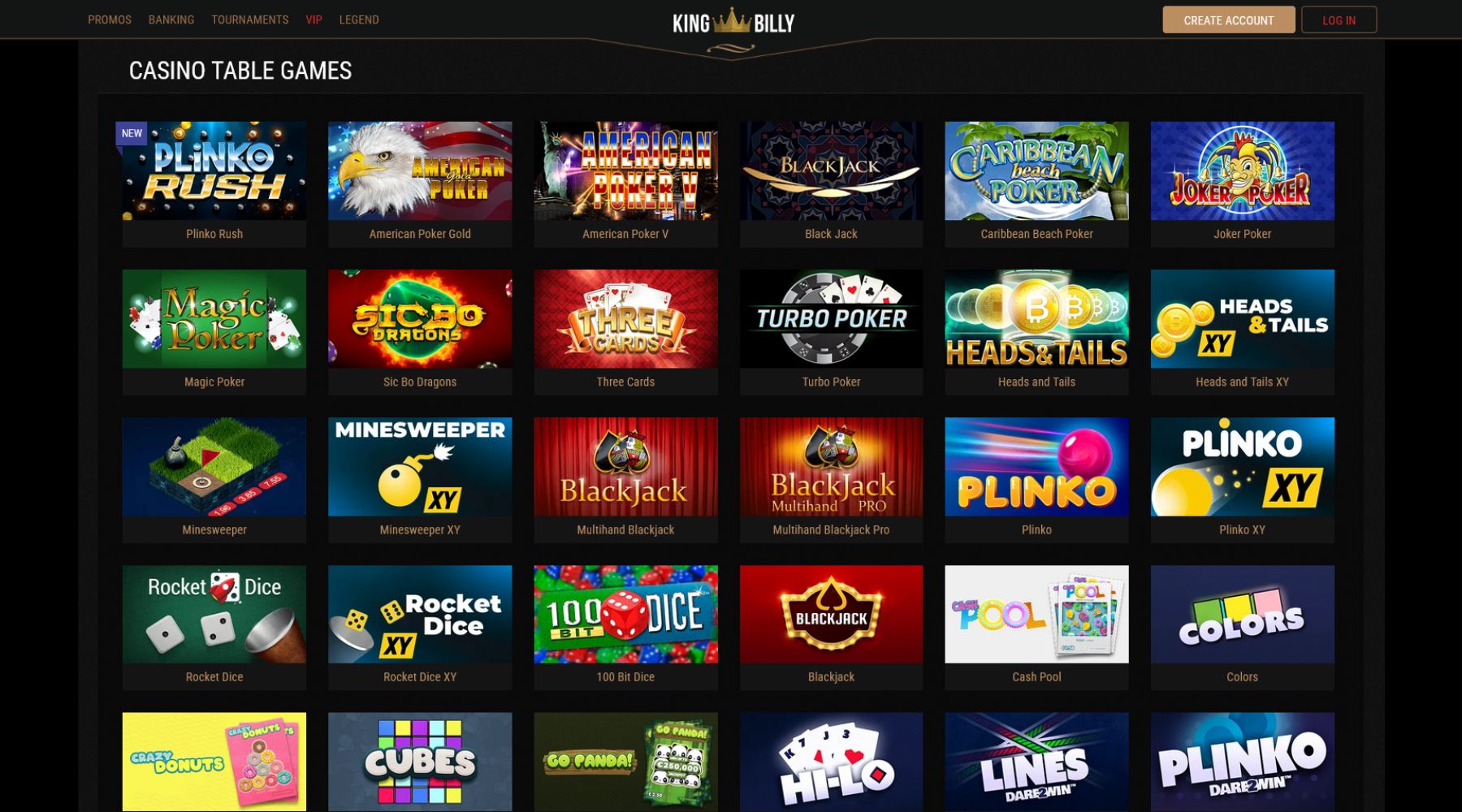
A Step-by-Step Look at Depositing, Playing, and Withdrawing Your Winnings in Digital Coins
To move digital coins into play, navigate to the casino’s cashier and select your preferred altcoin; generate a unique deposit address or QR code, then send funds from your external wallet. After network confirmations appear, your balance updates instantly and you can choose slots or table games, remembering that bets deduct directly from your crypto holdings. When ready to cash out, trigger a withdrawal request, specifying the amount and your destination wallet address—double-check it, as blockchain transactions are irreversible. Finally, confirm the payout in your wallet, typically within minutes for Bitcoin or altcoins. This streamlined loop makes crypto casino winnings management transparent: deposit, play, then withdraw without fiat conversion delays.
- Generate a one-time deposit address and send coins.
- Play using your real-time crypto balance.
- Request a withdrawal to your personal wallet address.
- Verify the transaction on-chain and confirm receipt.
Key Features You Should Look For in a Platform That Accepts Digital Assets
When choosing a crypto casino, prioritize provably fair games that let you verify each bet’s outcome on-chain—this transparency is non-negotiable for digital asset trust. Look for instant, low-fee withdrawals in multiple coins, including privacy tokens, without hidden conversion https://slotdeck.com/rainbet-referral-code/ markups. A robust non-custodial wallet integration ensures you retain private keys, while auto-conversion to stablecoins shields your bankroll from volatility mid-session. Check for lightning-network support if you value micro-transactions, and demand clear, real-time blockchain confirmations displayed in your transaction history. *The best platforms treat your wallet address as your identity, eliminating KYC friction while still offering 24/7 chat for technical disputes.* Finally, ensure the house edge is transparently coded into each game’s smart contract, not buried in opaque bonus terms, so your digital assets always move exactly as advertised.
Instant Payouts and Low Transaction Fees: The Real Benefits of Using Crypto for Wagering
When evaluating a crypto casino, instant payouts and low transaction fees directly impact your net winnings and cash-flow control. Unlike bank transfers or card withdrawals that stall for days, blockchain settlements confirm in minutes, letting you access funds immediately after a win. Meanwhile, standard banking fees (2–5% plus currency conversion) can silently erode your bankroll; crypto networks often charge a flat fraction of a dollar or even less, regardless of the amount moved. This efficiency matters most for frequent bettors who cycle money in and out. For high rollers, avoiding percentage-based fees can save hundreds per withdrawal, while instant settlement eliminates the anxiety of pending cashouts during volatile market moves.
- Withdraw winnings within minutes, not 3–5 business days
- Pay near-zero network fees, preserving more of your profit
- Re-deposit instantly after cashing out, keeping betting momentum
- Avoid hidden conversion charges that fiat intermediaries apply
Anonymity Levels and Privacy Protection: What Information Do You Actually Need to Share?

When evaluating privacy protection in crypto casinos, the first step is identifying the exact data entry points: most platforms request only an email and wallet address for deposit-only play, while withdrawal procedures may trigger ID verification if you exceed volume thresholds or use fiat ramps. Genuinely anonymous casinos operate on a “no-KYC” model, but they still log your IP and device fingerprint unless you route through a VPN or Tor. Before registering, check the privacy policy for whether they store transaction hashes publicly or batch withdrawals to obscure links. A practical sequence for minimal exposure:
- Choose a casino that explicitly states “no mandatory KYC” under a specific wagering limit
- Use a dedicated email address that does not reveal your real name
- Withdraw to a fresh wallet address, never the deposit origin
If the platform asks for phone numbers or proof of residence *before* any withdrawal, that is a red flag—real crypto-native sites only require these under legal compulsion or fiat conversion, not for core wallet-to-wallet play.
Practical Tips for Managing Your Bankroll When Wagering with Volatile Assets

In a crypto casino, managing your bankroll with volatile assets demands a distinct approach. First, never wager your entire crypto stack; convert only a dedicated gambling portion into a stablecoin like USDT, isolating it from market swings. Set a hard loss limit in fiat terms, not crypto units, because a 10% drop in Bitcoin’s price feels different when you are already down three bets. Cash out wins immediately during price spikes, locking in dollar value rather than chasing a higher token count. Also, lower your base bet by 25–50% compared to fiat play, as sudden 15% asset dips can erode your balance before you even place a hand. Finally, use a separate hot wallet with no other funds, and pause wagering during major news events that trigger slippage or delayed confirmations. This protects your principal from both variance and volatility.
Hedging Your Bets: Should You Play in Bitcoin, Ethereum, or Stablecoins?
When managing a volatile bankroll, splitting funds across Bitcoin, Ethereum, and stablecoins is a practical hedge. Use stablecoins like USDT for your core wagering balance, shielding it from price swings while you play. Reserve Bitcoin for high-volatility sessions where you accept the asset’s fluctuation as part of the stake, and Ethereum for mid-tier bets or gas-efficient transactions. A simple rule: keep 60% in stablecoins for predictable play, 25% in BTC for upside exposure, and 15% in ETH for diversification. Stablecoin-first wagering protects your bankroll from a sudden market dump mid-session, while crypto assets remain a speculative overlay rather than your primary betting fuel.

- Convert winnings to stablecoins immediately if you plan to keep playing.
- Use Bitcoin only when you are willing to lose its fiat value temporarily.
- Keep Ethereum separate for smart-contract-based games, not straight casino spins.
- Re-balance weekly: sell crypto gains into stablecoin reserves to lock in profit.
Setting Win and Loss Limits to Protect Yourself from Price Swings
Setting win and loss limits is your primary defense against volatility-driven wipeouts in a crypto casino. Because an asset’s fiat value can swing 10% mid-session, a fixed crypto loss limit (e.g., stop at −0.01 BTC) must be paired with a fiat-equivalent ceiling to avoid overexposure. Conversely, lock in a win limit—like cashing out at +20% profit—before a sudden price dip erases gains. Recalculate both limits each time the underlying coin’s price moves sharply, rather than sticking to static numbers. The limit protects your bankroll’s purchasing power, not just its token count, so adjust for USD value at the moment of wager.
Q: How often should I reset win/loss limits during a volatile price swing?
A: Reset them immediately after any 5% or greater price move in the wagered asset. If Bitcoin drops 8% mid-session, your existing loss limit in BTC may still represent a fiat loss far larger than intended, so tighten it accordingly.
Understanding the Game Selection: Which Titles Work Best on a Blockchain-Based Site?
Understanding the game selection on a crypto casino hinges on blockchain’s core strengths: provable fairness and instant settlement. Provably fair titles like dice, crash, and plinko thrive because every bet’s outcome is cryptographically verifiable, giving you trust without third-party audits. Slots, meanwhile, work best when they use on-chain RNG, but avoid complex video slots—their heavy graphics and delayed spins clash with block confirmation times. Table games such as blackjack or roulette are ideal if they offer automated, hash-based shuffling, ensuring no human dealer manipulation. Instant-win games and live dealer variants also excel, since crypto deposits let you jump into fast rounds without withdrawal friction. Ultimately, prioritize titles with smart contract transparency and low house-edge mechanics, not just flashy themes—that’s where blockchain actually improves your gameplay experience.
Live Dealer Games, Slots, and Table Games: How the Experience Differs from Cash-Based Play

With live dealer games, the shift from cash-based play is subtle yet real—you’re watching a physical wheel or cards, but your chips are crypto-backed instant settlements, so wins land in your wallet seconds after the round ends. Slots feel snappier too: no fiat withdrawal wait times, and provably fair hashes let you verify every spin’s outcome directly on-chain, which you’d never get from a land-based machine. Table games like blackjack or baccarat strip away the awkward cashier visits; you just toggle your bet in satoshis or ether, and the dealer’s actions still feel human, but the bankroll updates in real time, with zero friction from notes or coins. The core difference? Speed, transparency, and no messy physical currency handling.
Live dealer, slots, and table games on crypto sites replace cashier queues with instant, verifiable payouts, while keeping the social feel of real tables—just faster and fully traceable.
Exclusive Crypto-Only Games and Jackpots You Won’t Find Elsewhere

When assessing a blockchain-based casino, prioritize titles with provably fair mechanics and native token integration, as these define exclusive crypto jackpots. Unlike fiat clones, these games use smart contracts to auto-distribute progressive pools funded by on-chain transaction fees, creating rapidly growing prizes no land-based operator can replicate. Search for “gasless” entry rounds and verifiable RNG hashes pre-seeded before each spin. Some rare jackpots split across multiple chains, requiring cross-chain bridging to claim—a friction worth checking before you play.
- Look for “mempool races” where block confirmation speed influences bonus multipliers.
- Verify if the jackpot’s seed is burned after each win to prevent future manipulation.
- Check for “satellite” side-games that share the same jackpot pool but with different volatility tiers.
Common Pitfalls and How to Avoid Them When Using Digital Money for Gambling
The most common pitfall when using digital money at a crypto casino is failing to account for network fees and confirmation times, which can drain your balance before you even play. Always check the casino’s accepted blockchain and send a small test transaction first to avoid irreversible loss from mistyped addresses. Another trap is chasing bonuses with high wagering requirements that lock your crypto; read the terms and prioritize sites with instant withdrawals. Also, avoid keeping large balances in the casino wallet—treat it as a hot wallet with high theft risk.
Withdraw winnings promptly to your cold storage to mitigate exchange or site hacks.
Finally, never gamble with borrowed or leveraged crypto; volatility can amplify losses faster than fiat, so set a strict loss limit in USD terms before depositing.
Dealing with Network Congestion and Transaction Delays on Your Deposits or Cashouts
When you deposit or cash out at a crypto casino, network congestion is the primary culprit behind stuck transactions. Before confirming a transfer, check a block explorer for current mempool pressure; if fees are spiking, increase your gas or miner fee to prioritize confirmation. For Bitcoin, consider using the Lightning Network, while Ethereum users should switch to Layer-2 options like Arbitrum to bypass mainnet queues. Waiting out a spike rarely works, as mempools can stay saturated for hours, leaving your funds in limbo. If a transaction remains unconfirmed past its target block count, use Replace-By-Fee (RBF) or CPFP to accelerate it. For cashouts, always verify the casino’s withdrawal address and network compatibility before sending, as a mismatch combined with congestion can irreversibly delay or lose funds.
How do you know if a delay is due to network congestion rather than the casino’s internal processing? Check the transaction hash on an explorer; if it shows “unconfirmed” with increasing block height, the network is the bottleneck. If it shows “confirmed” but funds aren’t credited to your casino balance, the issue lies with the casino’s internal ledger—contact support. For deposits, never resend the same transaction during congestion, as duplicate outputs can cause double-spend confusion. Instead, adjust the fee or wait for the original to confirm.
Spotting Fair Games from Rigged Ones: Reading Hash Values and Seed Codes
To distinguish provably fair crypto casino games from rigged ones, you must verify the hash value before wagering and the seed code after the round concludes. A hash is a cryptographic fingerprint of the server seed, published in advance, while client seeds are user-generated; after the round, both seeds are revealed, and you can run them through the SHA-256 algorithm to confirm the hash matches. A rigged game will refuse to disclose seeds, alter them mid-session, or produce a hash that doesn’t correspond to the final outcome. Reading hash values and seed codes correctly requires checking that the nonce increments per bet and that the result is derived from the combined seeds, not a hidden variable. If any step fails verification, the game is not provably fair.
- Always compare the pre-published server seed hash against the revealed seed after betting.
- Confirm your client seed is freely changeable and not forced by the casino.
- Replay the seed pair with the exact nonce to see if it reproduces the listed outcome.