
The Allure of Gambling: Understanding the Draw
The intriguing world of gambling captures the interest of many individuals, drawing them into casinos with promises of excitement and potential wealth. One significant factor in this allure is the thrill associated with uncertainty—players are often attracted to the idea of winning big against the odds. This inherent excitement is intensified in a casino environment, where flashing lights, vibrant colors, and engaging sounds create a sensory-rich experience that stimulates the brain’s reward centers. For those looking to explore options like 1win , this stimulation triggers a rush of dopamine, heightening their desire to play and further enhancing their belief in the possibility of fortune.
Moreover, the social aspect of casinos contributes to their appeal. Gamblers often find themselves in an energetic atmosphere, surrounded by other players and spectators, which can foster a sense of camaraderie and shared excitement. Interacting with fellow gamblers can lead to a unique sense of belonging, as people exchange stories, strategies, and cheers of encouragement. This social reinforcement can further encourage participation, leading individuals to spend more time and money in pursuit of that exhilarating win.
Additionally, the concept of ‘near misses’ plays a critical role in the psychology of gambling. When players almost achieve a win, the brain responds similarly to an actual win, reinforcing the desire to keep playing. This phenomenon explains why many gamblers feel compelled to continue, convinced that they’re on the verge of a breakthrough. The design of games is often deliberately set up to exploit this psychology, ensuring that players experience frequent near misses, maintaining their engagement and investment in the gambling experience.
Risk-Taking Behavior and Decision Making
Risk-taking is an intrinsic part of gambling, and understanding this behavior requires a closer look at how individuals make decisions in high-stakes situations. Many gamblers possess an optimistic bias, believing they have a better chance of winning than statistics suggest. This skewed perception often leads to what psychologists call the “gamblers’ fallacy,” whereby individuals believe that past outcomes will influence future results. For instance, a player may think that because a particular number hasn’t come up recently, it is ‘due’ to appear soon, prompting further play and investment.
The thrill of risk can also be tied to personality traits, with some individuals more predisposed to engage in high-risk activities. Studies have shown that traits such as thrill-seeking and impulsivity can drive gamblers to take larger risks. This can be particularly prevalent among younger individuals and those with a predisposition to addictive behaviors. Understanding these characteristics is crucial for mental health professionals and those working in the gambling industry to promote responsible gaming practices and interventional strategies.
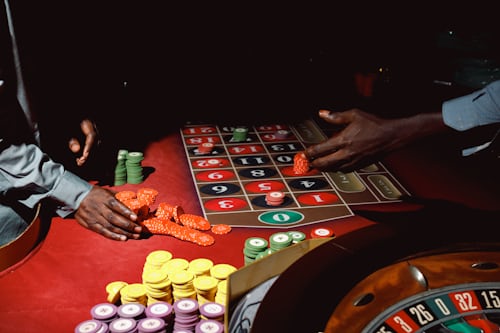
Moreover, numerous cognitive biases can further impact decision-making in gambling contexts. For example, the sunk cost fallacy describes the tendency for gamblers to continue betting after losing money, hoping to recover their losses rather than rationally assessing their chances. This cognitive bias can lead to spirals of increased spending and loss, underscoring the need for awareness and education about gambling behaviors and the psychological factors at play.
The Role of Emotion and Intuition
Emotions play a pivotal role in gambling behavior, influencing how individuals approach risk and manage their decisions. High-stakes environments can elicit intense emotional responses, ranging from the excitement of winning to the despair of losing. These emotional highs and lows can cloud judgment, leading to impulsive decisions that are not always in the gambler’s best interest. For instance, a player who has just won a significant sum may feel invincible and take risks they wouldn’t normally consider, potentially leading to significant losses.
Intuition also comes into play in gambling, where players often rely on gut feelings or hunches when making decisions. While intuition can sometimes lead to successful outcomes, it is often influenced by emotional states rather than rational analysis. This duality can create a complex interplay between emotion and intuition, where feelings can both provide insights and lead to poor decision-making. Understanding this dynamic is vital for both gamblers and those in the industry, as it offers insight into how emotional states can be managed to promote healthier gambling habits.
Furthermore, emotional resilience can significantly impact gambling behavior. Individuals who can manage their emotions effectively may be less prone to making impulsive decisions and can approach gambling with a more strategic mindset. Developing emotional intelligence, such as recognizing when feelings are driving behavior, can help gamblers maintain control over their actions and reduce potential negative consequences associated with gambling.
The Impact of Environment: Casino Design and Atmosphere
The design and atmosphere of casinos are meticulously crafted to enhance the gambling experience and encourage prolonged participation. From the layout of the games to the strategic placement of slot machines, every aspect is intended to keep players engaged and immersed in the environment. The absence of clocks and windows is a deliberate choice, creating a disorienting experience that can lead players to lose track of time, resulting in extended gambling sessions.

The use of sounds, colors, and lighting is another crucial factor in the casino atmosphere. Bright, vibrant colors and captivating sound effects are designed to stimulate the senses, creating an exhilarating experience that is hard to resist. Winning sounds, such as the ringing of coins or celebratory music, are psychologically reinforced, enticing gamblers to continue playing. This sensory overload plays a significant role in creating a dynamic and exciting environment that keeps players coming back.
Moreover, casinos often implement loyalty programs and promotions, which tap into the psychology of reward. By offering incentives, such as free play, meals, or exclusive access to events, casinos create a strong sense of value and belonging among their patrons. These programs encourage repeat visits and foster a commitment to the casino, blending emotional engagement with financial investment. Understanding the influence of these environmental factors is paramount for anyone involved in the gambling industry, as it provides insights into how to responsibly market and offer services that prioritize player safety.
Resources for Understanding Gambling Behavior
If you’re interested in diving deeper into the psychology of gambling, there are numerous resources available to aid your understanding. Academic research and publications focusing on gambling behavior can provide valuable insights into the underlying psychological principles affecting decisions and risk-taking. Engaging with these materials offers a broader perspective on the complexities of gambling and its implications for individuals and society.
Furthermore, many organizations focus on promoting responsible gambling practices and provide resources to help individuals recognize harmful behaviors. These organizations often offer educational materials, support groups, and professional counseling services to assist those struggling with gambling addiction or seeking to understand their gambling behavior better. Utilizing these resources is beneficial for anyone looking to foster a healthier relationship with gambling.
In conclusion, understanding the psychology behind casino gambling involves a nuanced exploration of emotional, cognitive, and environmental factors. Recognizing these influences can empower individuals to make informed decisions and enjoy gambling as a recreational activity while minimizing risks. For those involved in the industry, this understanding is crucial for creating responsible practices and promoting a safe and enjoyable gambling experience for all.